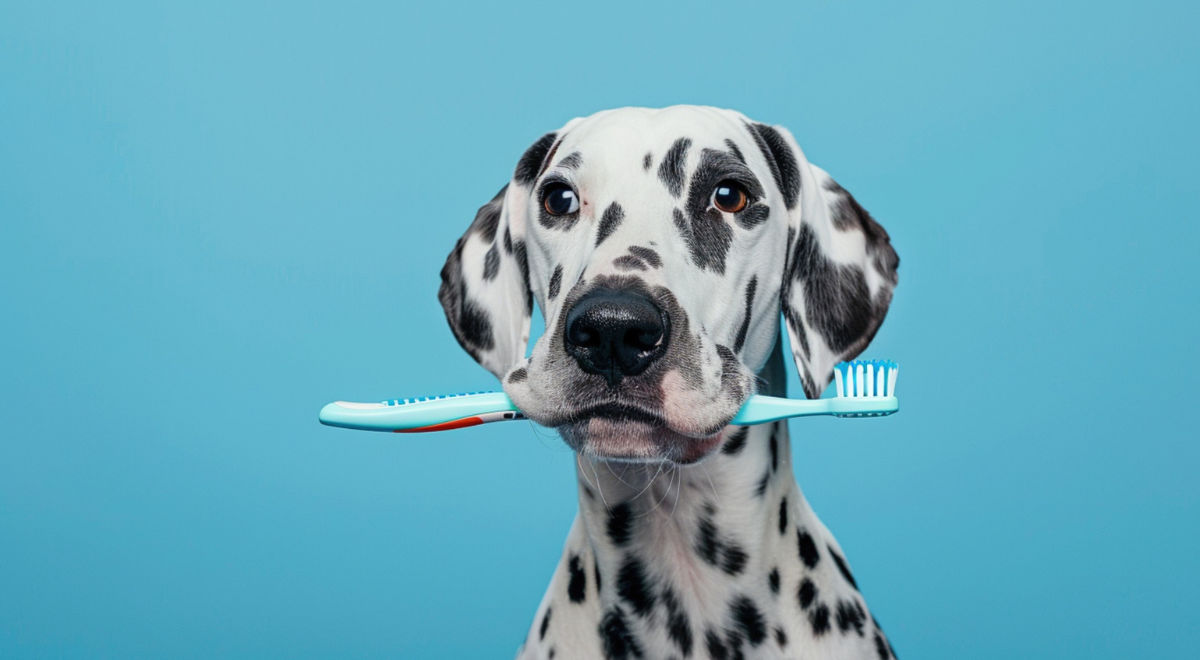
Not all dog dental products are created equal.
Some are packed with synthetic fillers, mystery chemicals, or cheap sweeteners that look helpful on the label, but do more harm than good.
If you’re trying to keep your pup’s breath fresh and teeth clean without compromising their health, knowing what to avoid is just as important as knowing what to use. Our recommendation is to look for natural ways to take care of your doggie’s dental health. Here’s what to watch out for when scanning the fine print on your next tube of dog toothpaste, bag of dental chews, or oral rinse.
Xylitol (Also Listed as “Sugar Alcohol” or “E967”)
Let’s start with the biggest red flag.
Xylitol is highly toxic to dogs, even in small amounts. It’s often used in human dental products because it fights cavities, but in dogs, it can cause rapid insulin release, leading to liver failure, seizures, or worse.
Unfortunately, some dog dental products still sneak it in under the radar. Always double-check your labels, especially if the product is flavoured or “sugar-free.”
Artificial Colours & Flavours
Dogs don’t need their toothpaste to be blue or their dental chews to taste like bubblegum.
FD&C dyes (like Blue 2, Red 40, or Yellow 5) are purely cosmetic and have been linked to behavioural changes and allergic reactions in both pets and humans. Artificial meat flavours? Usually just chemical soup.
Look for dog dental products that use natural flavour enhancers like parsley, mint, or real meat instead.
Chemical Preservatives (Like BHA, BHT, or Ethoxyquin)
Preservatives might keep a product shelf-stable, but they don’t belong in your dog’s daily dental routine.
BHA and BHT are synthetic preservatives that have raised red flags in multiple studies for potential carcinogenic effects. Ethoxyquin, often used in pet foods, is banned in human food altogether in some countries.
Choose dog dental products that use natural preservatives like vitamin E (often listed as mixed tocopherols).
Excessive Fillers or Grains
Some dental chews bulk up their recipe with corn, wheat, soy, or rice flours, not because it helps with oral health, but because it’s cheap.
While these fillers aren’t always dangerous, they’re not doing your dog’s teeth any favours. In fact, excess carbs can fuel bacteria in the mouth and contribute to plaque.
Look for dog dental products that are grain-free, high in active ingredients, and contain functional fibre from whole food sources like sweet potato or seaweed.
Alcohol or Harsh Antiseptics in Sprays & Rinses
Dog dental sprays and rinses can seem like a miracle shortcut, but read those labels carefully.
Some contain denatured alcohol, chlorhexidine, or peroxide-based chemicals that can irritate the gums or disrupt the natural balance of your dog’s oral microbiome.
Yes, they might reduce bacteria short-term, but at what cost? Long-term, harsh chemicals can inflame tissue or even cause digestive upset if swallowed.
Bonus Tip: Keep It Simple and Science-Backed
The best dog dental products don’t rely on chemicals, colours, or artificial junk. They rely on natural ingredients that work with your dog’s body, not against it.
That’s exactly why Eco Doggy’s Pawfect Smile skips the drama and delivers a daily sprinkle of seaweed that cleans teeth through your dog’s saliva.
✔ No brushing
✔ No harsh ingredients
✔ No guesswork
Just a sprinkle a day = cleaner teeth, fresher breath, and fewer vet bills.